
8 Unique Business Ideas for Tech Lovers on a Tight Budget
By Athreya — 2026-11-06
Eight unique business ideas you can launch with little money, from print-on-demand tech merch and micro SaaS to AI automation consulting, plus how to tell which idea is right for you.
You don't need a big bank account or a fancy office to start something of your own. With a laptop, a solid internet connection and a few smart tools, you can turn a simple idea into a real business.
Tech has made it easier than ever to build apps, sell digital products or offer services to clients anywhere in the world. In this guide, you'll find eight unique business ideas you can launch with little money, from AI-powered services to niche software tools.
8 Unique Business Ideas With a Tech Twist
1. Print-on-Demand Merch for Tech Fans
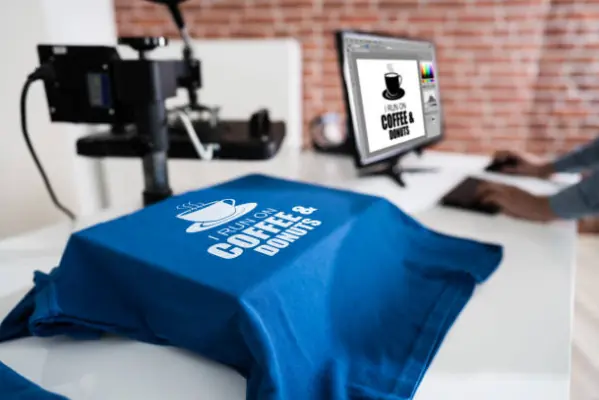
Walk into any tech office and count the funny shirts. Developers love gear with inside jokes, like a mug that reads "It works on my machine." You can make that kind of stuff yourself and sell it to coders, gamers or anyone who's into AI.
Here's how it works with a print-on-demand platform like printkk.com. A customer orders a hoodie. The platform prints it and ships it. You never touch a box or pay for stock ahead of time, which makes this one of the easiest unique business ideas to try.
2. Micro SaaS Products
Big software companies try to serve everyone. A micro SaaS does the opposite. It picks one small group and fixes one problem for them really well. Maybe it's a tool that sends invoice reminders for freelance designers.
Or a calendar that stops a dog groomer from booking two pups at 3 p.m. Your first version can look pretty plain. Early users will happily tell you what to add next. Got a few loyal ones? Mail them custom mugs with your logo. Odds are they'll post a photo.
3. Browser Extensions
Think about the last hour you spent online. How many times did you copy something, switch tabs or hunt for a button? Little moments like these are where browser extensions shine. One might save links into a neat reading list.
Another could turn a messy web page into clean text. If you've played around with HTML, CSS and JavaScript, you know enough to build a basic one over a weekend. The store fee is small.
4. Code Templates and UI Kits
Most developers would rather not build a login page from scratch for the 10th time. That's why templates sell. The nice thing is that a week of work can get sold over and over. A React admin dashboard is where a lot of people start.
Next.js landing pages are popular, and so are those little packs of buttons and cards that save an hour of fiddling. You can sell on your own site or on Gumroad. Put real effort into the README, since that's often the first thing buyers read.
5. Cybersecurity Checkups for Small Businesses
A neighborhood dental office probably doesn't have its own IT person. The bakery on the corner? Same story. But both keep customer info on their computers, and someone has to look after it. That's your job.
First visits are low-key. You're setting up a password manager, turning on two-factor login and changing the Wi-Fi password taped to the front desk. The part staff actually enjoy? A quick quiz where you show them a fake phishing email.
6. AI Automation Consulting
A lot of business owners have heard about AI tools but haven't had time to test them. You have. That gap is the whole business. Take a real estate agent who gets the same five questions every day.
A simple chatbot on her website could answer most of them. An AI helper in her inbox could write first drafts for her to tweak. The tools themselves are often free to start. So what are you charging for? The hours you hand back.

7. No-Code App Building
You don't have to write code to build apps for people anymore. Tools like Bubble, Glide and Webflow let you put together a working app by dragging pieces onto a screen. Local businesses ask for this kind of thing all the time.
A yoga studio wants a class booking page. A small shop wants a simple order tracker. You can build these in days, not months. Each of these platforms has a free plan, so you can learn on your own time first.
8. Technical Writing and API Docs
Behind every app is a pile of how-to pages somebody had to write. Lots of tech companies would rather hire a freelancer for that than pull an engineer off the code. So if friends always call you to explain their tech, you already have a skill companies pay for.
A degree isn't the thing that gets you hired here. Samples are. Grab an open-source project you've used, write a short getting-started guide and post it on GitHub or a blog. A couple of those is enough to start pitching.

How to Know if a Business Idea Is Right for You
1. Match the Idea to Skills You Already Have
Start with what's already in your toolbox. If you've spent years fixing your family's laptops, a security checkup business might feel natural. If you'd rather write code at midnight with headphones on, a micro SaaS or a browser extension probably fits better.
Skills you already have save you months of learning. Here's a fun test. Scroll back through your texts and look at what people ask you about. Your best idea is often hiding in the stuff you'd happily do for free on a Saturday.
2. Check Whether People Will Actually Pay
A cool idea and a paying customer aren't always the same thing. So before you build anything, go looking for the people with the problem. Hang out where they talk. Developers swap wish lists on Reddit, GitHub and Discord all day long.
If you keep seeing the same request pop up, that's a good sign. Even better is when someone says they'd happily pay for a fix. Peek at competitors too. A busy market usually means money is already changing hands.

3. Run the Numbers on Time and Money
Be honest about your calendar first. Maybe you've got 10 free hours a week. Maybe it's closer to four, squeezed in after dinner. That number shapes everything. AI consulting gets money in your pocket quickly, but each new client needs more of your evenings.
SaaS works in reverse. You might put in months before it earns much, and then it keeps paying while you sleep. Startup costs vary too. Print on demand and no-code builds cost almost nothing to start, while a security business may need a cert first.
4. Test It Small Before Going All In
You don't need a finished product to find out if an idea works. Plenty of founders throw together a one-page site with a signup box, post it in the Slack or Discord groups their users already visit and give it a week.
Twenty signups from strangers says more than any amount of planning. Put three shirt designs up on a print-on-demand store, and the click counts will pick a winner. Got a SaaS idea? A clunky first build in the hands of a few friendly testers works fine.
Conclusion
You've now got eight unique business ideas to chew on, and most of them could start from the laptop you're reading this on. Some lean on code, like a micro SaaS or a browser extension.
Others, like tech-themed merch or security checkups, are more about knowing your crowd. If one of them kept popping back into your head, pay attention to that. Then do the practical stuff. Check your schedule, then run a cheap test before building anything.